
This article covers ongoing care after an injury has been assessed and treated. Follow the instructions you received, protect the nail from pressure and monitor regrowth. A change in nail appearance after injury does not by itself establish a fungal infection.
Follow-up after the injury has been treated
- Assessment after injury. A doctor checks for nail-bed damage or a fracture and decides whether the haematoma needs drainage.
- Ongoing care. After the injury has been treated, nail care, protection from pressure and follow-up at the podology practice can be planned.
- Monitoring. Increasing pain, redness, pus or fever require medical reassessment.
What should you tell the practitioner at your next visit?
If a healthcare professional has drained the haematoma, follow the instructions you received. At a later podology appointment, explain when the injury occurred and what care was recommended.
Seek urgent medical care after a recent injury with severe pain, a wound or a suspected fracture. Do not pierce or drill through the nail yourself.
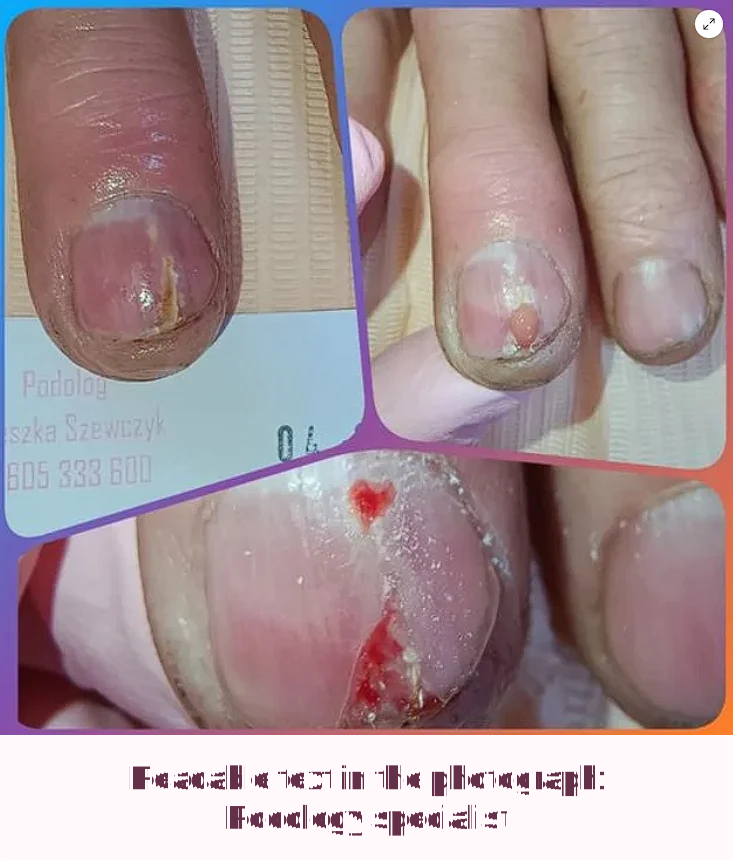
Regrowth takes months; toenails can take more than a year.
Further information
- Subungual haematoma — what should you do after a nail injury?
- Nail injury — when to see a doctor or a foot care specialist
- Injured toenails — a case from January–July 2024
- Subungual haematoma — assessment after an injury
Medical sources: Cleveland Clinic — Subungual Hematoma · NHS — Nail problems.
Editorial update: .